The Freshly Squeezed
The Freshly Squeezed is a blog for people who look at what’s on their plate — or in their glass — and want to know why it works the way it does.
Every ingredient has a backstory: a chemistry, a history, a reason it ended up on your counter instead of forgotten in the produce aisle. We pull that story apart. Real research, real citations, no wellness-influencer hand-waving — just the actual science behind the food, drinks, and kitchen staples people think they already understand. Then we hand you the recipes, the uses, and the context to do something with it.
Think of it as the lab notes for your kitchen: part food science column, part recipe box, part myth-check on whatever folk wisdom your grandmother swore by (spoiler — she was right more often than you’d think). Each piece starts with one humble ingredient and follows it as far as the evidence goes — into nutrition, chemistry, history, even psychology, because it turns out the story behind a food is rarely just about the food.
Latest Blog
-
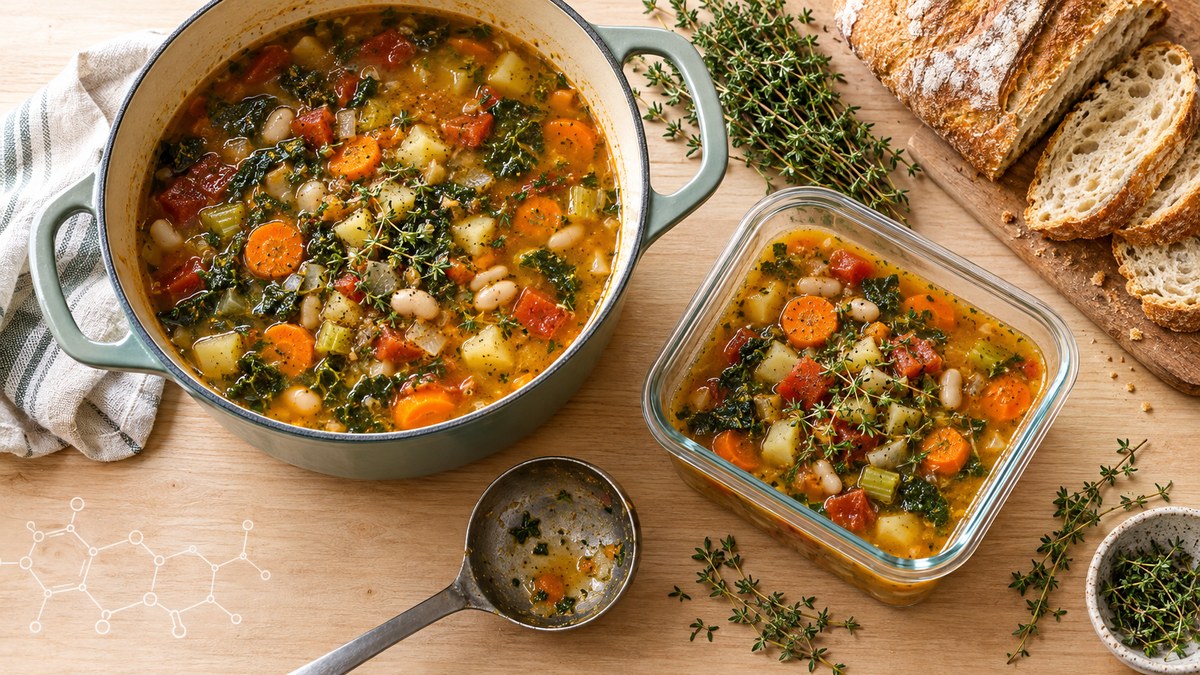
Why Does Soup Taste Better the Next Day?
Leftover soup really can taste better. Here’s the science of flavor melding, starch and gelatin, and the food-safety rules for cooling and reheating it.
View More
-
Why Does Soup Taste Better the Next Day?
Leftover soup really can taste better. Here’s the science of flavor melding, starch and gelatin, and the food-safety rules for cooling and reheating it.
-
Why Does Chocolate Turn White? The Science of Bloom
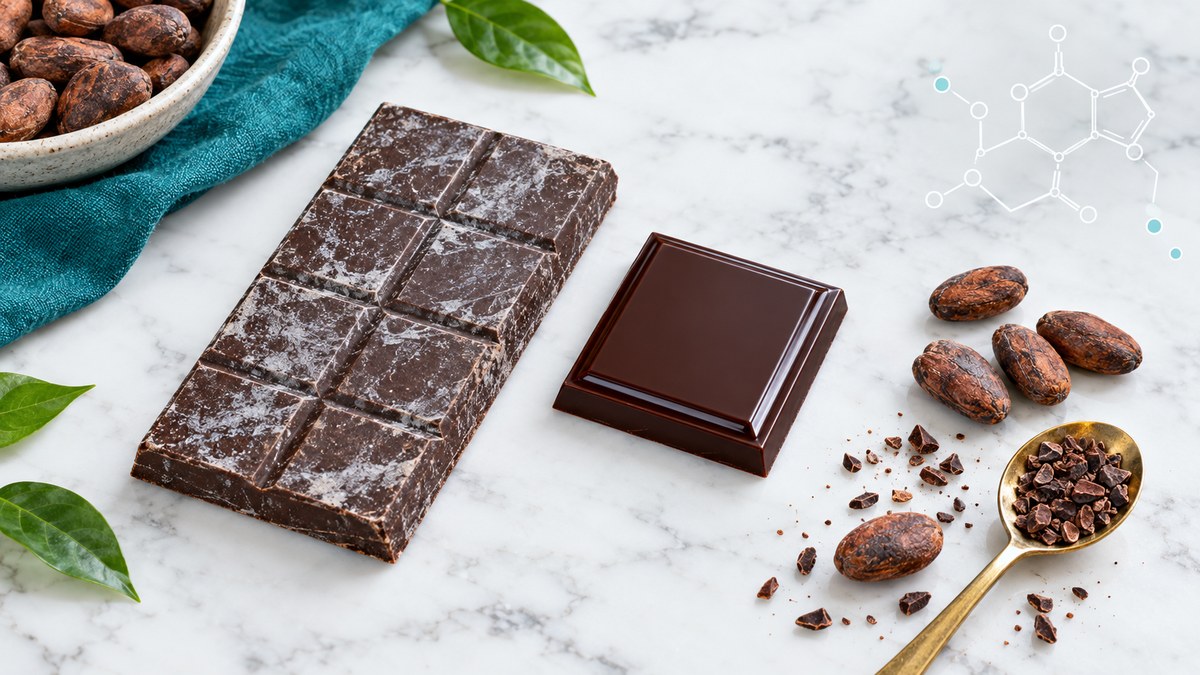
That chalky white coating on chocolate isn’t mold. It’s fat or sugar bloom. Here’s the chemistry behind it, whether it’s safe to eat, and how to prevent it.
-
Why Does Popcorn Pop? The Science of a Kernel
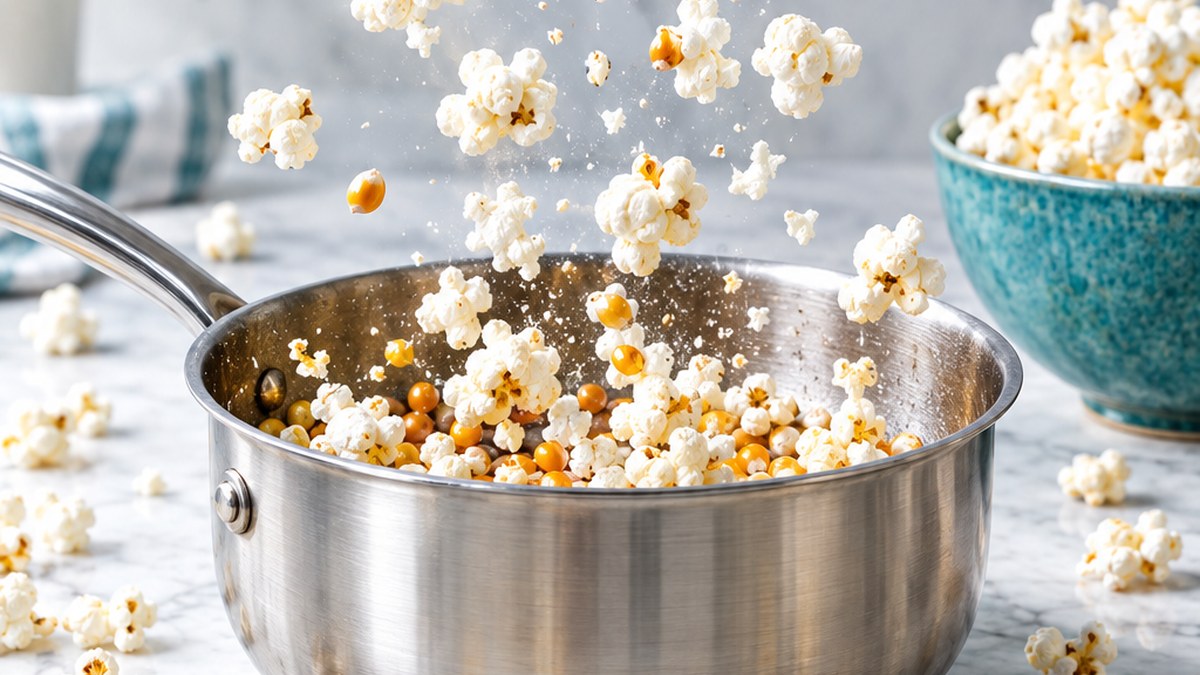
Why does popcorn pop? Steam pressure, a tough hull and a 180°C tipping point. Here’s the science of the burst, the sound, the jump and the duds that stay put.
-
Why Pumpkin Spice Smells Like Fall: The Chemistry Explained
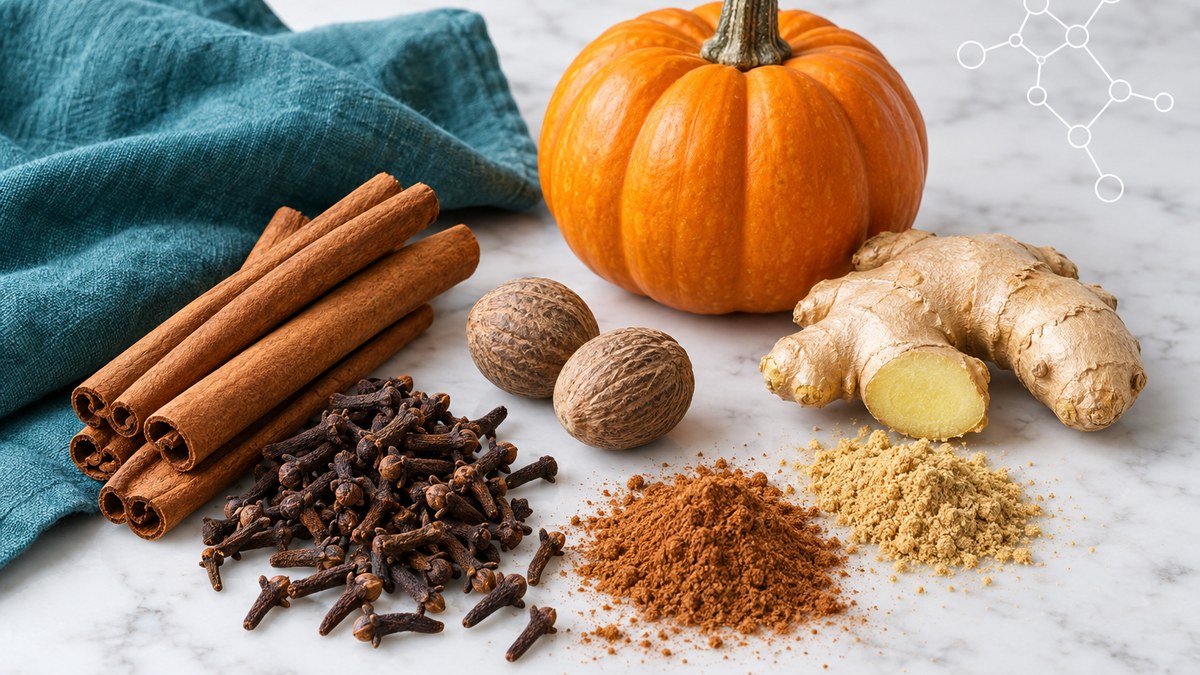
Pumpkin spice chemistry, explained: the volatile compounds in cinnamon, clove, nutmeg and ginger, why there’s no pumpkin in it, and why the smell means fall.
-
Why Cast Iron Needs Seasoning: The Chemistry of a Nonstick Pan
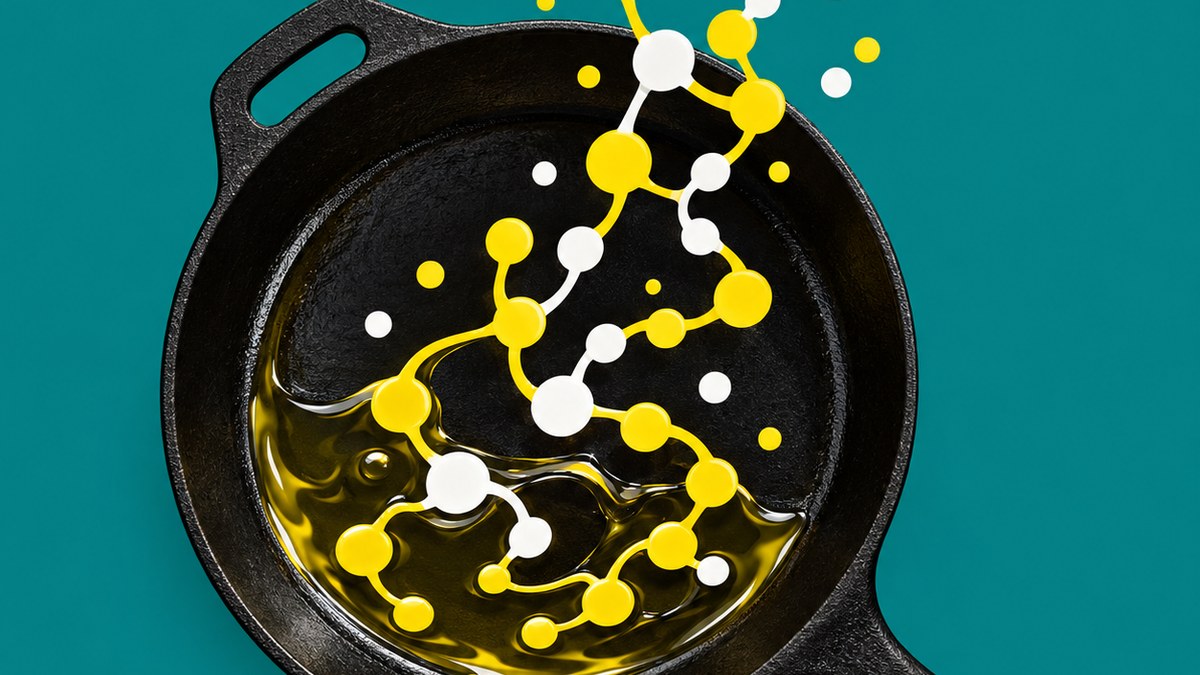
Cast iron seasoning isn’t baked-on grease. It’s oil turned into a hard polymer by heat. Learn the chemistry, the best oils, and how to build a slick surface.
-
Why Salt Makes Food Taste Better (It’s Not Just Saltiness)
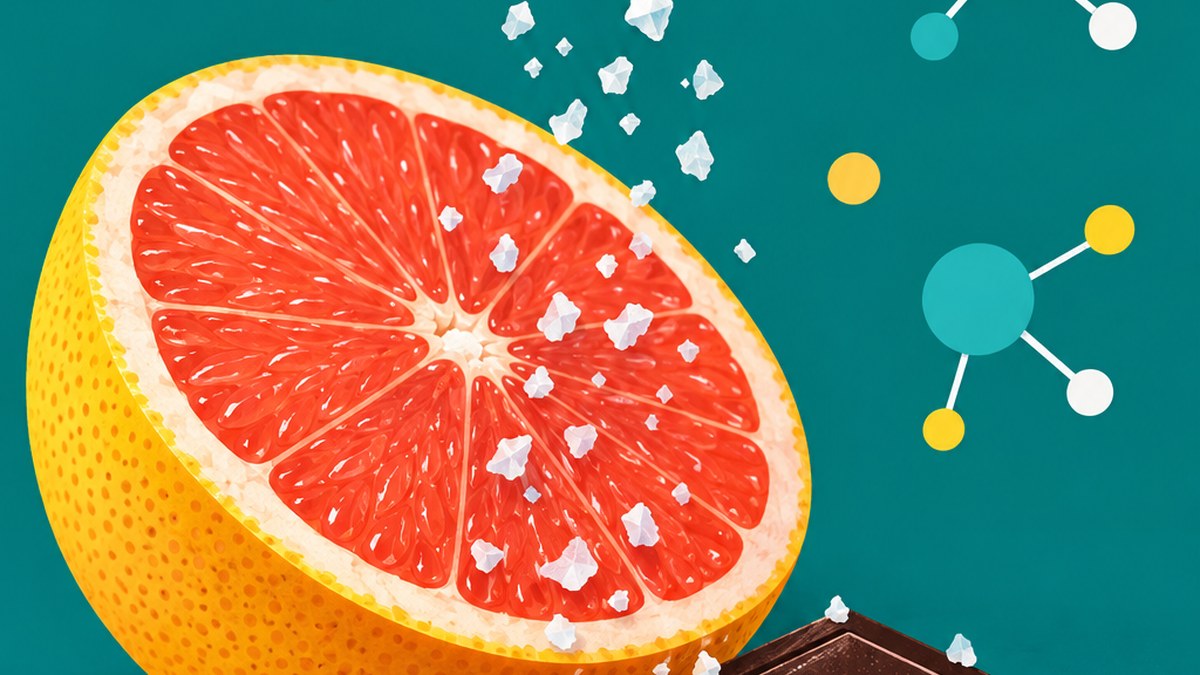
Why salt makes food taste better goes beyond saltiness. Salt quiets bitterness so sweetness and savory flavors stand out. Here’s how it works in your kitchen.
-
Why Lemon Juice Stops Cut Fruit From Browning
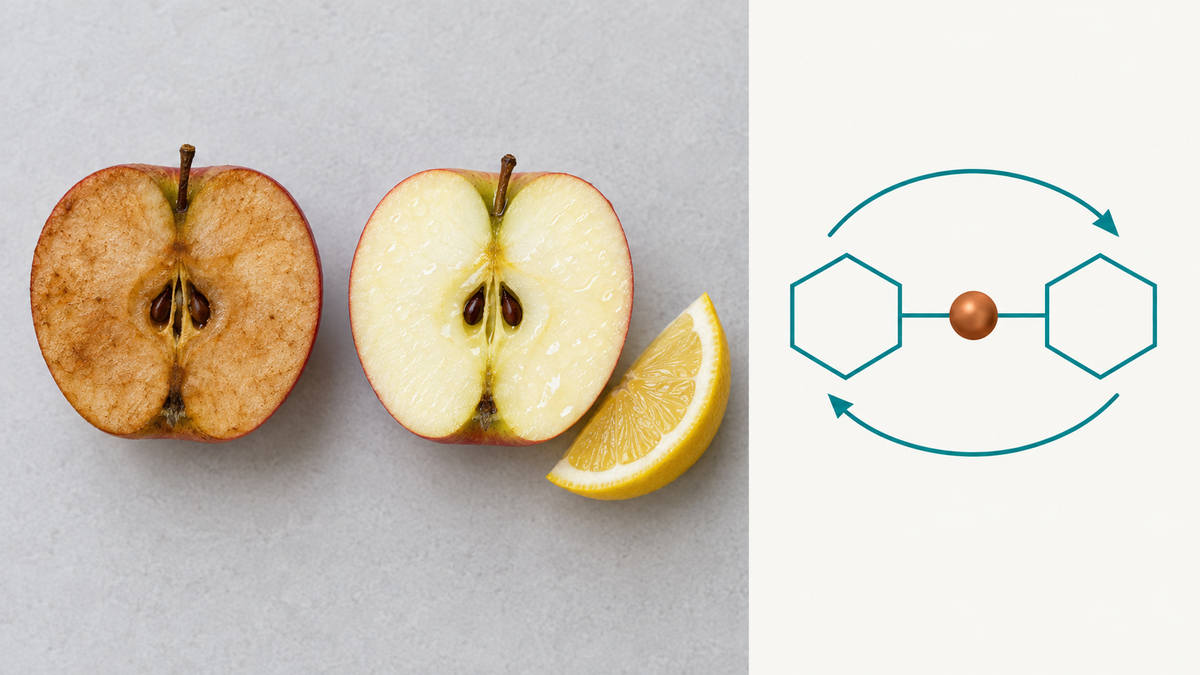
Lemon juice stops fruit browning two ways at once: it drops the pH below where polyphenol oxidase works well, and its vitamin C undoes the first step.
-
Why Bread Goes Stale: It Is Not Drying Out, It Is Recrystallising
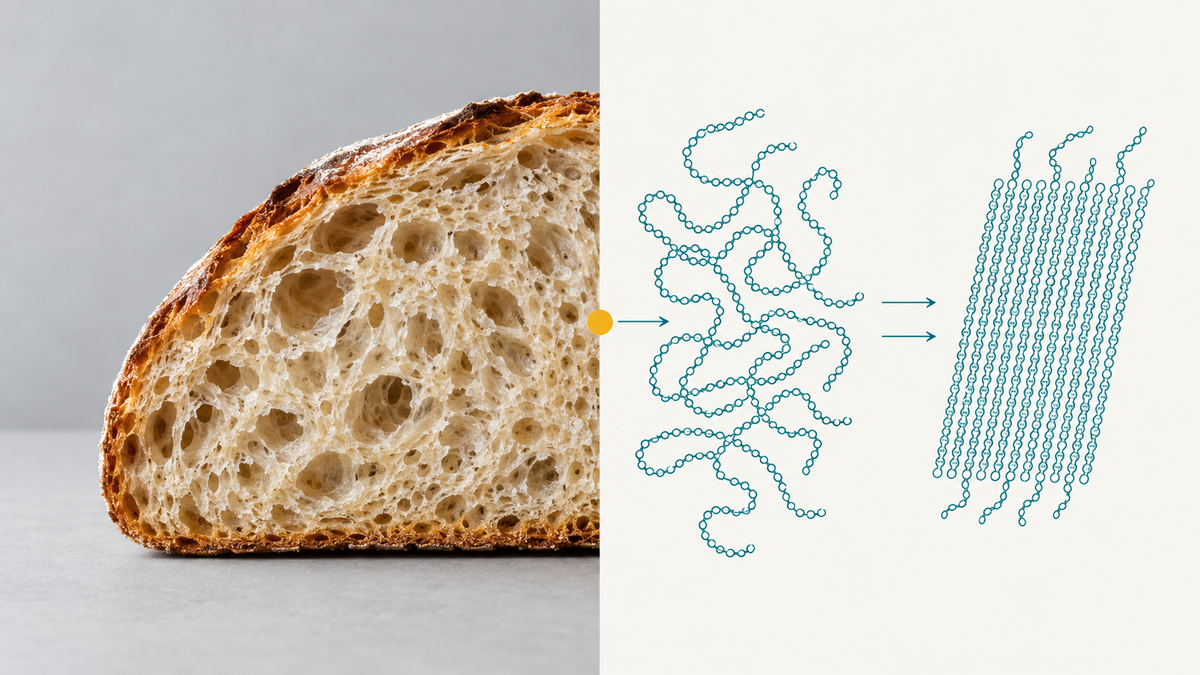
Why bread goes stale is two processes, not one: starch retrogradation plus moisture migration. That is why the fridge is the worst place for a loaf.
-
Why Cutting Onions Makes You Cry: The Actual Chemistry (and What Works)
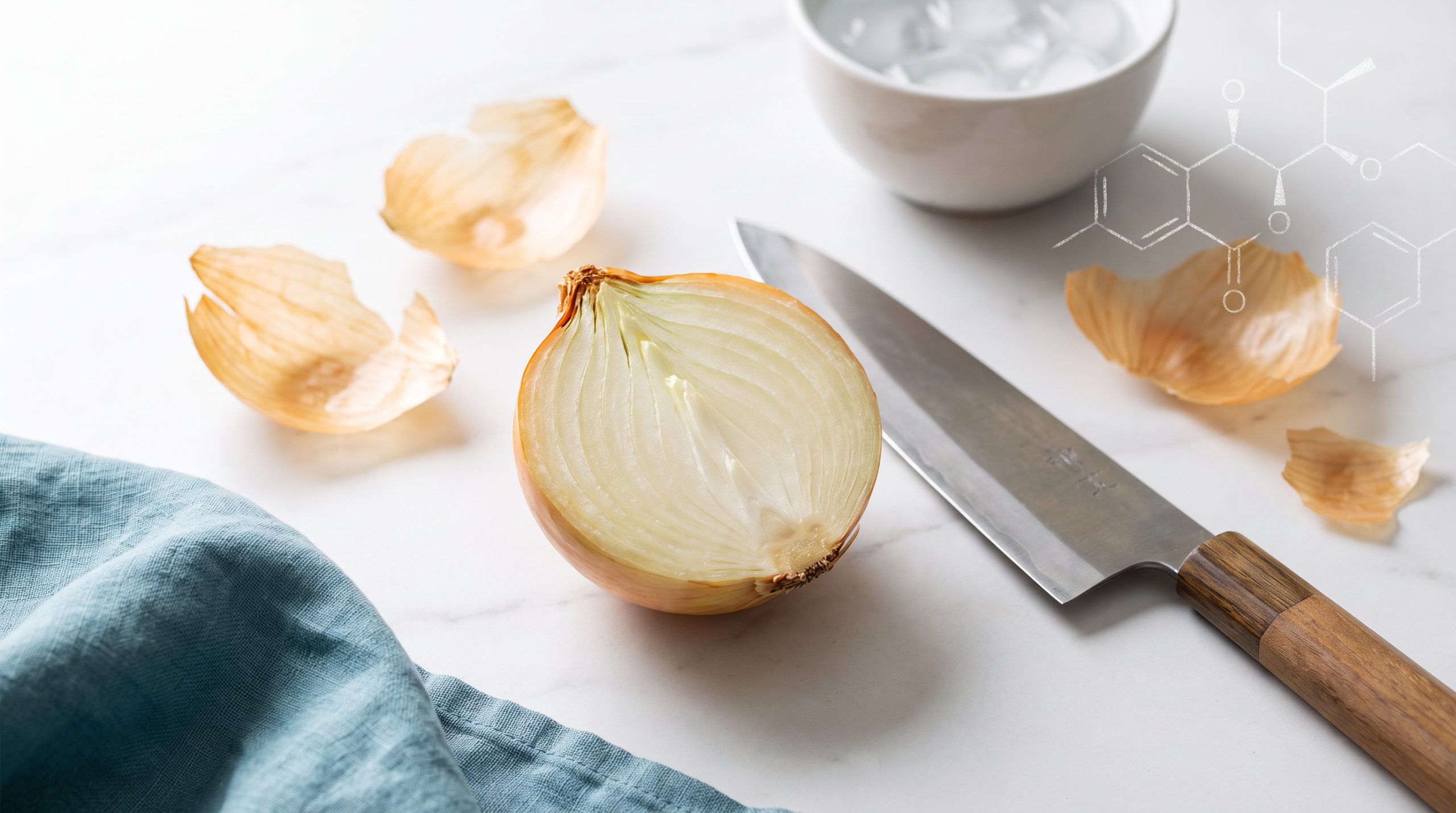
Why cutting onions makes you cry, explained: the enzyme cascade behind onion tears, the mist that carries it, and what actually reduces both.
-
Extra Virgin Olive Oil Chemistry: Why ‘Extra Virgin’ Actually Matters
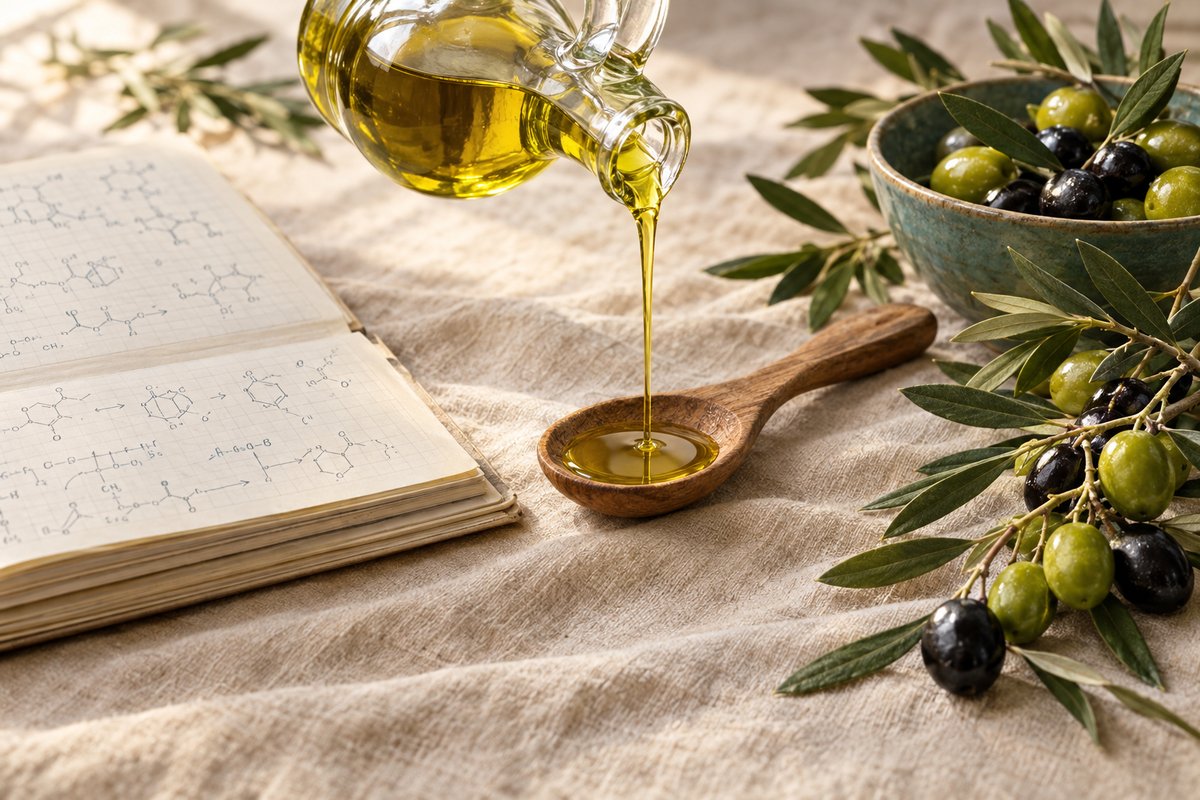
Extra virgin olive oil chemistry explains why acidity, polyphenols, smoke point and freshness matter when you choose and cook with EVOO.